Vivienda Latina · Cultura
Cimientos
The stories we carry in our hands, in our kitchens, in our names. A magazine-style exploration of Latina roots, living tradition, and the identity we are always, beautifully, becoming.
What the land remembers
Before we became a diaspora, we were soil. We were rivers with names given by grandmothers who spoke four languages and called them all home. The word raíz doesn't just mean root — it means the thing that holds you even when the ground shifts beneath you.
For Latinas building lives far from their places of origin, heritage is not nostalgia. It is infrastructure. The way your abuela stirred beans is data. The songs hummed over ironing boards are coordinates. Roots, it turns out, are not anchors — they are navigation.
Read Latina heritage profiles →
The living archive
Tradition is not a museum exhibit. It breathes and negotiates. It shows up at a quinceañera in Brooklyn where the waltz is followed by Bad Bunny. It lives in the specific way red chile is heated — always in the cast iron, always slowly — passed without ceremony to a daughter who will pass it without ceremony to hers.
Across our community, Latinas are curating these living archives with intention. Not to freeze the past, but to let it run forward — adapted, translated, made new — through every generation that decides what to keep and what to reinvent.
How tradition shapes Latina business →
Plural, unapologetic, ours
There is no single Latina. There is the Afro-Latina reclaiming her Blackness from within a culture that tried to erase it. The Indigenous woman weaving her language back into existence. The second-generation daughter choosing her hyphen deliberately, or discarding it entirely — both acts equally sovereign.
Identity, for us, is not an answer. It's a practice. A daily negotiation between where we came from and what we're building. On this page, in Vivienda Latina, we honor the full, contradictory, luminous range of who we are.
Meet women defining their own terms →
The tongue that carries us
Language is not just communication — it is memory made audible. For Latinas navigating bilingual and multilingual lives, code-switching is not a deficit; it is a superpower. The ability to hold two (or three, or four) linguistic worlds simultaneously is a form of cognitive and cultural wealth that no standardized test was ever designed to measure.
When a grandmother calls you mija, she is transmitting an entire cosmology of care. When you choose to answer in Spanish even though English is easier in that moment, you are making a political act of love. Language preservation is not nostalgia — it is resistance, joy, and inheritance all at once.
Explore our language traditions →Música y Baile
Movimiento · Movement
Cumbia: The Heartbeat of a Continent
Born on Colombia's Caribbean coast from the fusion of African, Indigenous, and Spanish rhythms, cumbia is among the most widely adopted musical forms across Latin America. Today it pulses through dance floors from Buenos Aires to Los Angeles — evolving, hybridizing, never stopping.
Ritmo · Rhythm
Salsa, Son & the New York Synthesis
Salsa was not born in one country — it was born in the encounter. Puerto Rican, Cuban, Colombian, and Dominican rhythms collided in the barrios of New York City in the 1960s and '70s, creating a sound that could only exist in diaspora. It is the music of becoming.
Danza · Ceremony
Folklórico: Embroidery in Motion
Ballet folklórico is living textile. The spinning skirts of Jalisco, the dignified footwork of Veracruz, the syncopated zapateado of Oaxaca — each regional tradition encodes geography, history, and resistance into the body itself. Many Latina dancers describe it as the most honest conversation they have ever had.
Herencia Culinaria
The kitchen is the first archive. Long before recipes were written, they were watched, tasted, and remembered. Culinary heritage is not simply about what we eat — it is about the specific way heat meets masa, the particular green of a tomatillo salsa, the hour at which posole becomes medicine.
Maíz · Corn
The Sacred Grain
Mesoamerican civilizations did not merely cultivate corn — they believed they were made of it. Today, every tortilla pressed by hand carries that cosmology forward. Nixtamalization, the ancient process of treating corn with lime, is a 3,500-year-old technology that unlocks nutrients invisible to any other preparation. Science finally caught up to tradition.
Sazón · Flavor
The Art of Adobo & Sofrito
Across the Caribbean, sofrito — that fragrant base of peppers, onions, garlic, and herb — is not a recipe. It is a signature. Every household has its proportions, its secret addition, its preferred level of char. Adobo tells a similar story: a dry-rub philosophy that differs meaningfully between Puerto Rico, the Philippines, and Mexico.
Dulce · Sweet
Chocolate & the Pre-Columbian Palate
Chocolate was a ceremonial drink long before it became a European dessert. Drunk cold, spiced with chile, and made frothy by pouring between vessels — cacao in its original form bears little resemblance to a candy bar. Oaxacan chocolate makers are reclaiming this heritage with single-origin, stone-ground traditions that predate the sugar trade.
Arte y Cultura Visual
Pintura · Painting
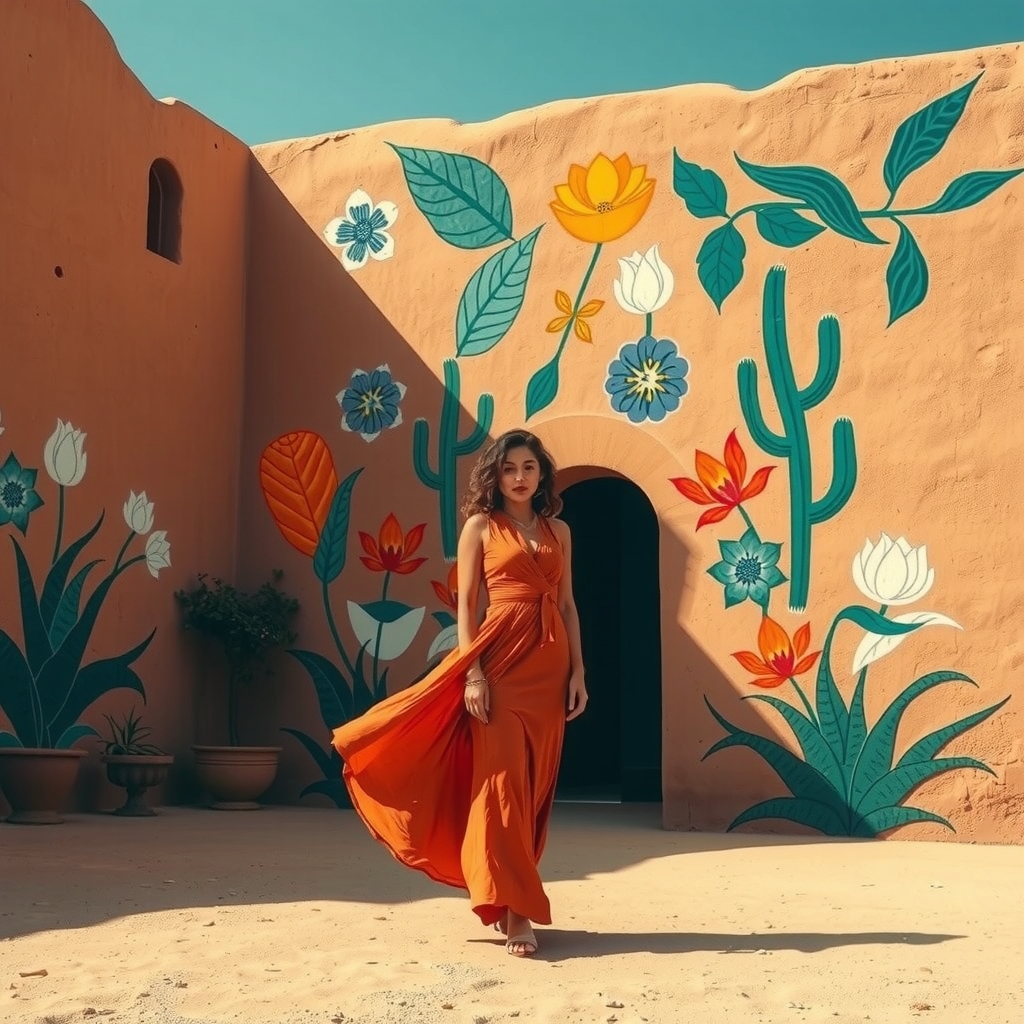
The Muralist Legacy
From Diego Rivera's panoramic visions of Mexican history to Judy Baca's Great Wall of Los Angeles — the longest mural in the world — the Latina/o muralist tradition transforms public space into collective memory. These are not decorations; they are declarations. Every brushstroke is a claim on visibility.
Textil · Textile
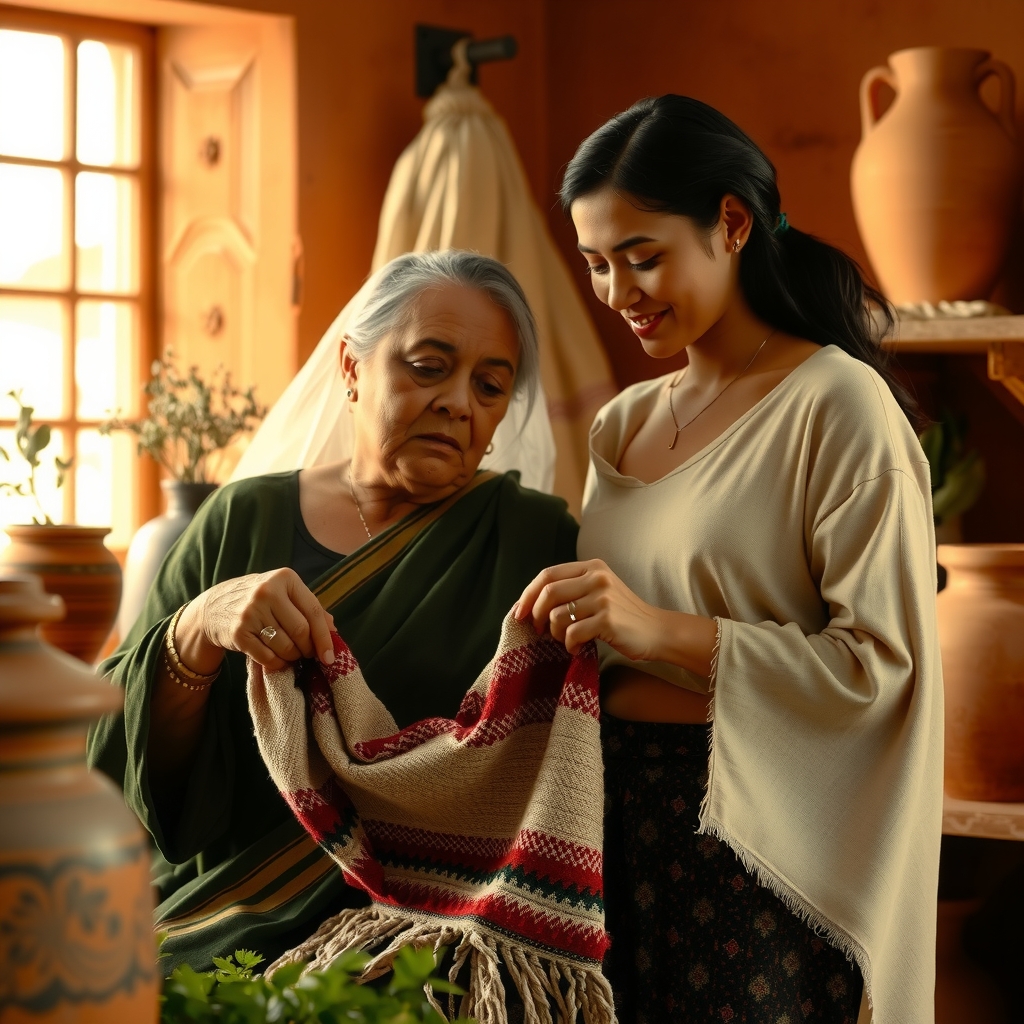
Weaving as Writing
In Oaxaca and Guatemala, Indigenous Latina weavers encode family lineage, regional identity, and cosmological knowledge into their textile patterns. Each huipil is a text. The backstrap loom, in continuous use for millennia, produces cloth that algorithms cannot replicate — because the knowledge it carries lives only in the body of its maker.
Lente · Photography
The New Latina Gaze
A generation of Latina photographers — Ana Mendieta, Laura Aguilar, Delilah Montoya — shattered the ethnographic gaze that treated brown women as subjects rather than authors. Their work insists on interiority. Today, a new cohort of documentary photographers and visual storytellers continues that insistence, camera in hand, unflinching.
"We are not a monolith. We are a chorus — and every voice in it is essential."
Cimientos · Vivienda Latina
En Pantalla
Cultural shorts
Latinidad: The Darker Other

Latin American Cultural Vibrancy

Rizo — Film Winner
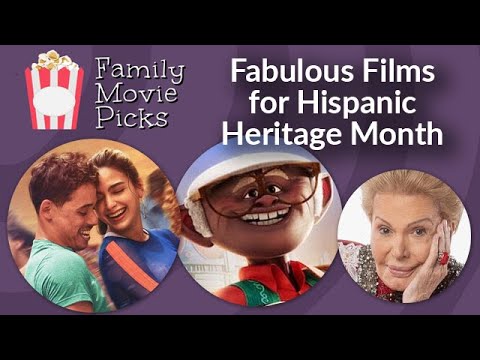
6 Films: Heritage Month
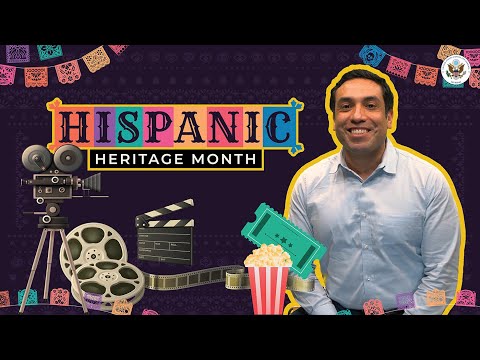
Movie Recs · Heritage Month

Orgullo Latino
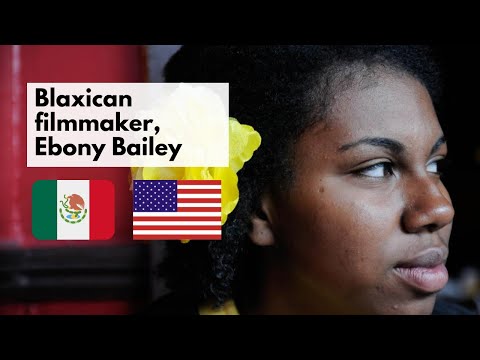
Filmmaker Ebony Bailey
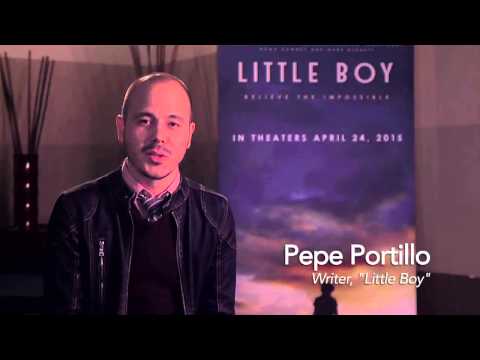
Mexican Film: Little Boy
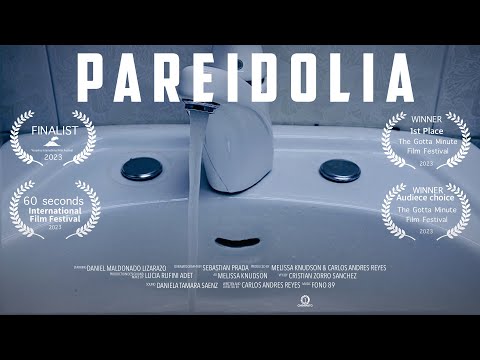
Pareidolia — Award Short
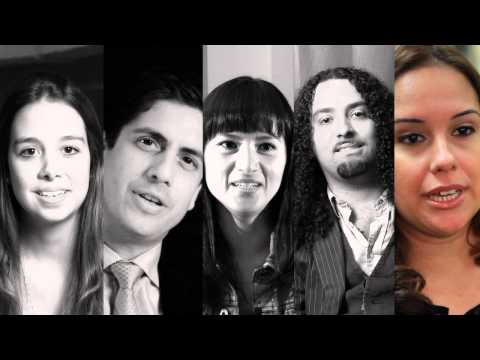
Perfiles Trailer
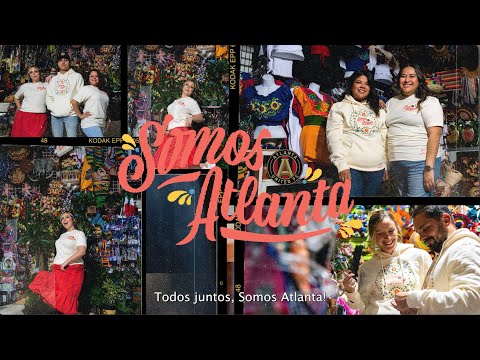
Atlanta Shapes Latin Culture
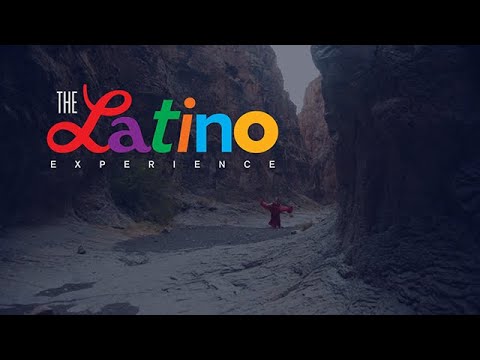
The Latino Experience