Vivienda Latina · Cultura
Raíces
Viven
From the kitchens of Oaxaca to murals in Chicago, from cumbia in Cali to quinceañeras in Los Angeles — our traditions don't just survive the journey. They transform, deepen, and grow new roots.
Mesa y Memoria
Culinary Heritage
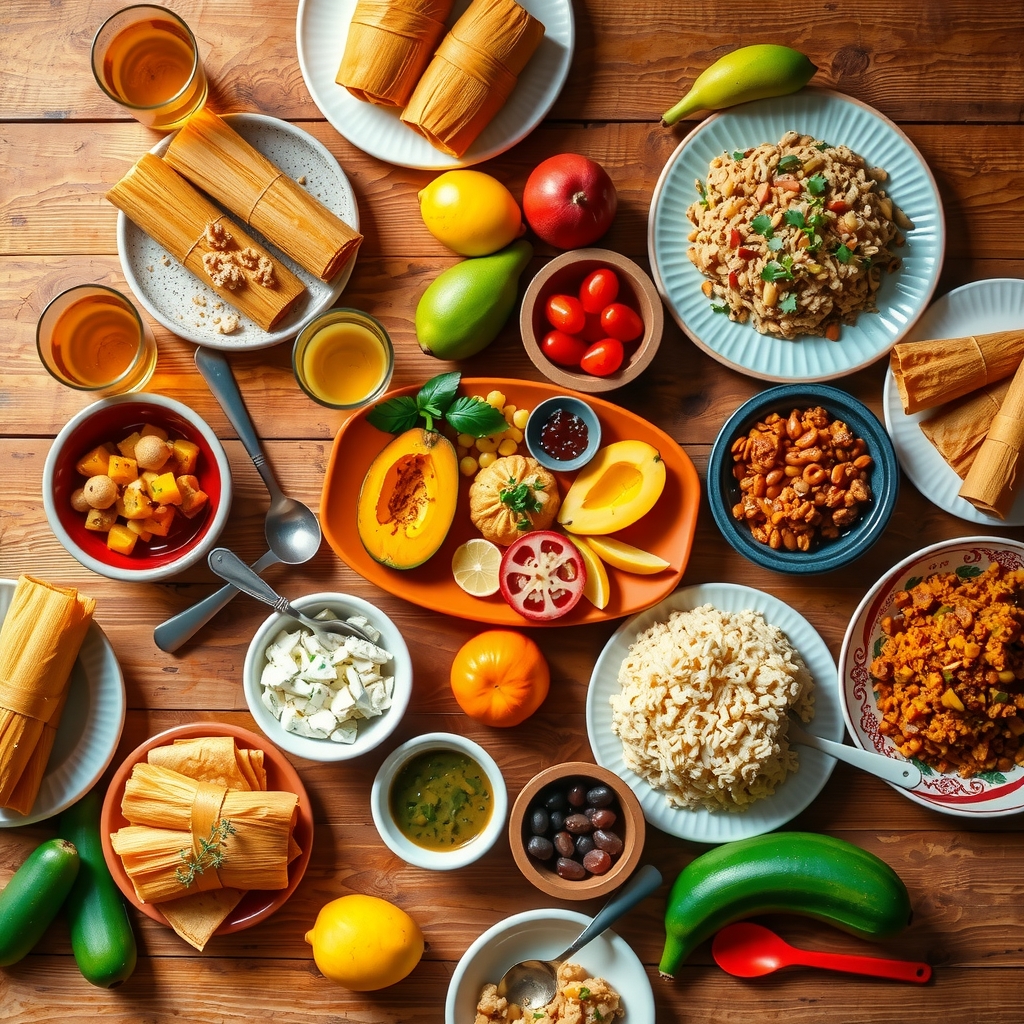
Food is the most visceral carrier of identity. A mole negro simmered for three days, a tamale wrapped in the precise fold your abuela taught you, the first bite of pan dulce on a Sunday morning — these are living archives that no border crossing can erase.
Latin American cuisine is not monolithic. It spans 33 nations, thousands of Indigenous ingredient traditions, and centuries of African, European, and Asian exchange. In the US diaspora, cooks are both custodians and innovators, preserving technique while adapting to new pantries.
Many of the Latina entrepreneurs we profile have built businesses rooted in this culinary inheritance — from artisanal tortilla brands to catering collectives that fund remittance-free community investment.
Mole Negro
Oaxaca's ceremonial sauce unites 30+ ingredients — dried chiles, chocolate, spices — into a philosophy of patience and complexity.
Ceviche
Peru's gift to the world: citrus-cured fish with ají amarillo, red onion, and cilantro. Each coastal town holds its own secret balance.
Arepas
Colombia and Venezuela share this corn patty, yet each nation claims an entirely distinct universe of fillings and textures.
Bacalaítos
Puerto Rican salt cod fritters — street food born from scarcity, now a beloved symbol of resilience at every diaspora gathering.
Color y Forma
Visual Arts & Crafts
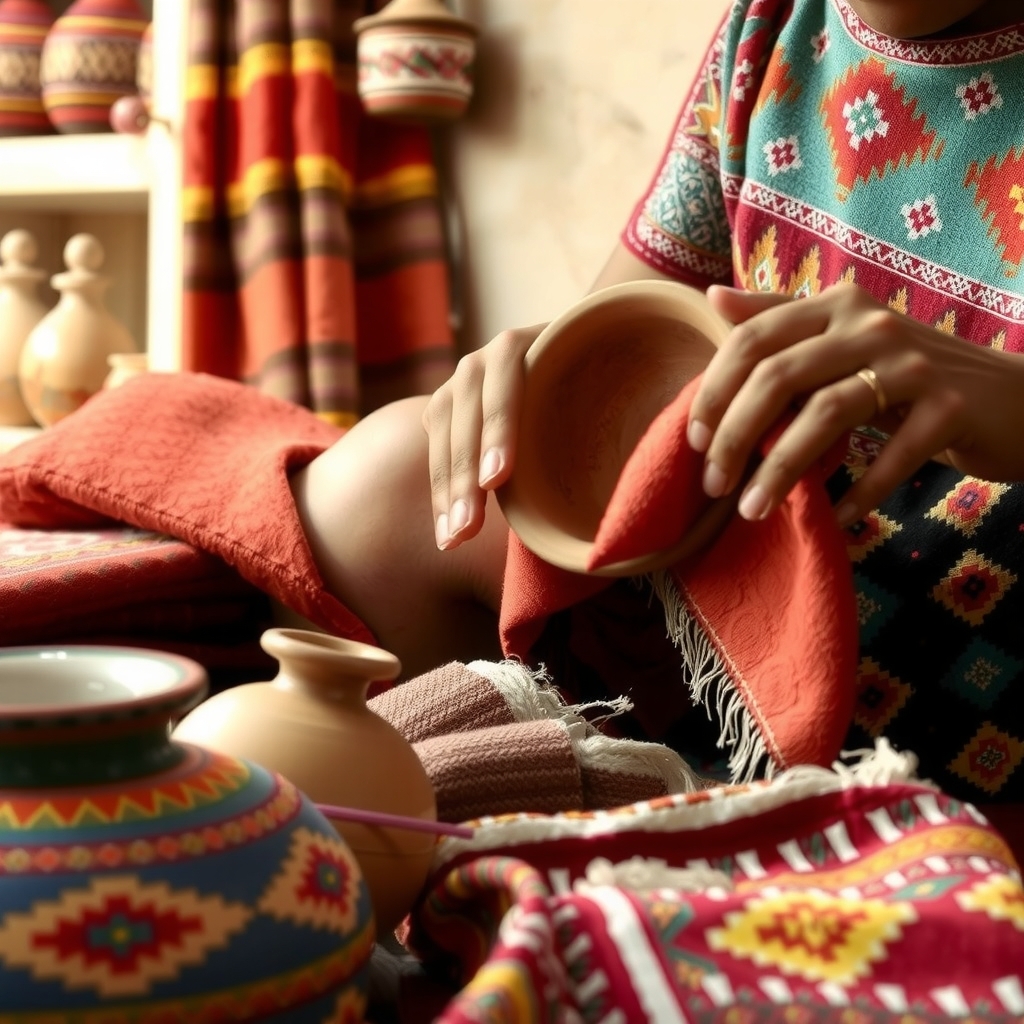
From Zapotec weaving traditions that encode cosmology in color to Frida Kahlo's self-portraits as political act, Latin American visual culture refuses to separate the aesthetic from the spiritual, political, or communal.
In US cities, this vitality explodes outward in murals, community altars, and textile co-operatives. Chicano muralism transformed the walls of East LA into a civic institution. Day of the Dead ofrendas reclaim public space in schools, libraries, and plazas nationwide.
Craft economies — ceramics from Tlaquepaque, Talavera tiles, otomí embroidery — are increasingly reaching global buyers through diaspora entrepreneurs. Explore how to support them via our business resources directory.
Ritmo y Cuerpo
Music & Dance
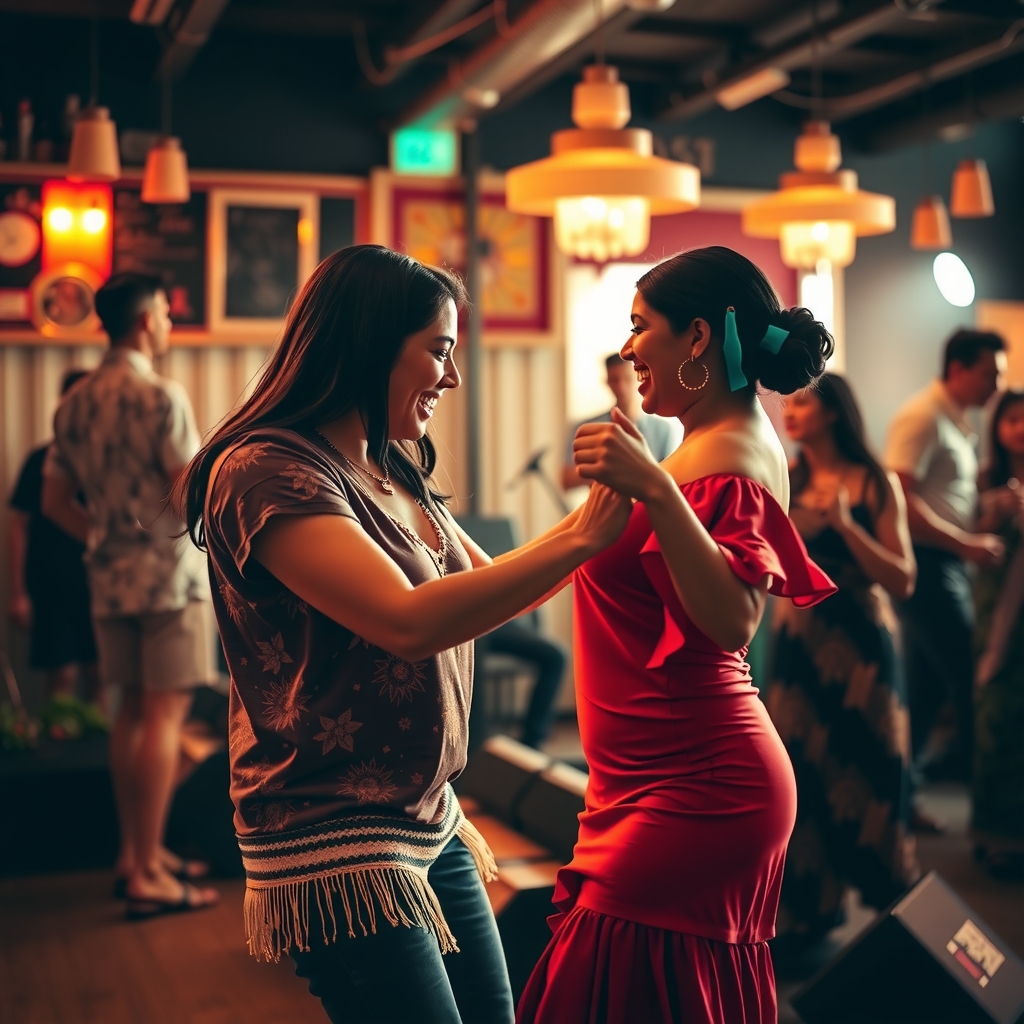
Latin American music is among the most influential sonic forces on earth. Its rhythms carry histories of Indigenous ceremony, African diaspora resistance, and colonial-era mestizaje into a single downbeat. In the US, genres that were once regional have become global phenomena without losing their roots.
Dance is inseparable from music here — not performance, but conversation. Salsa en línea, cumbia villera, huapango, cueca: each form is a living vocabulary passed between generations on dance floors from Miami to Chicago to Los Angeles.
Cumbia
Colombia → Global
Born on Colombia's Caribbean coast from African, Indigenous, and European strands. Now mutates in Mexico City, Buenos Aires, and East LA.
Salsa
New York / Caribbean
Forged in NYC's barrios by Puerto Rican and Cuban musicians. A diaspora creation that then transformed the homelands it came from.
Mariachi
Jalisco, Mexico
UNESCO-recognized intangible heritage. In the US, all-female and youth mariachi ensembles are among its most vibrant practitioners.
Vallenato
Colombia
Accordion-led storytelling from Colombia's coast, weaving love, loss, and memory into a form that migrants carry like a talisman.
Fiesta y Ritual
Festivals & Celebrations
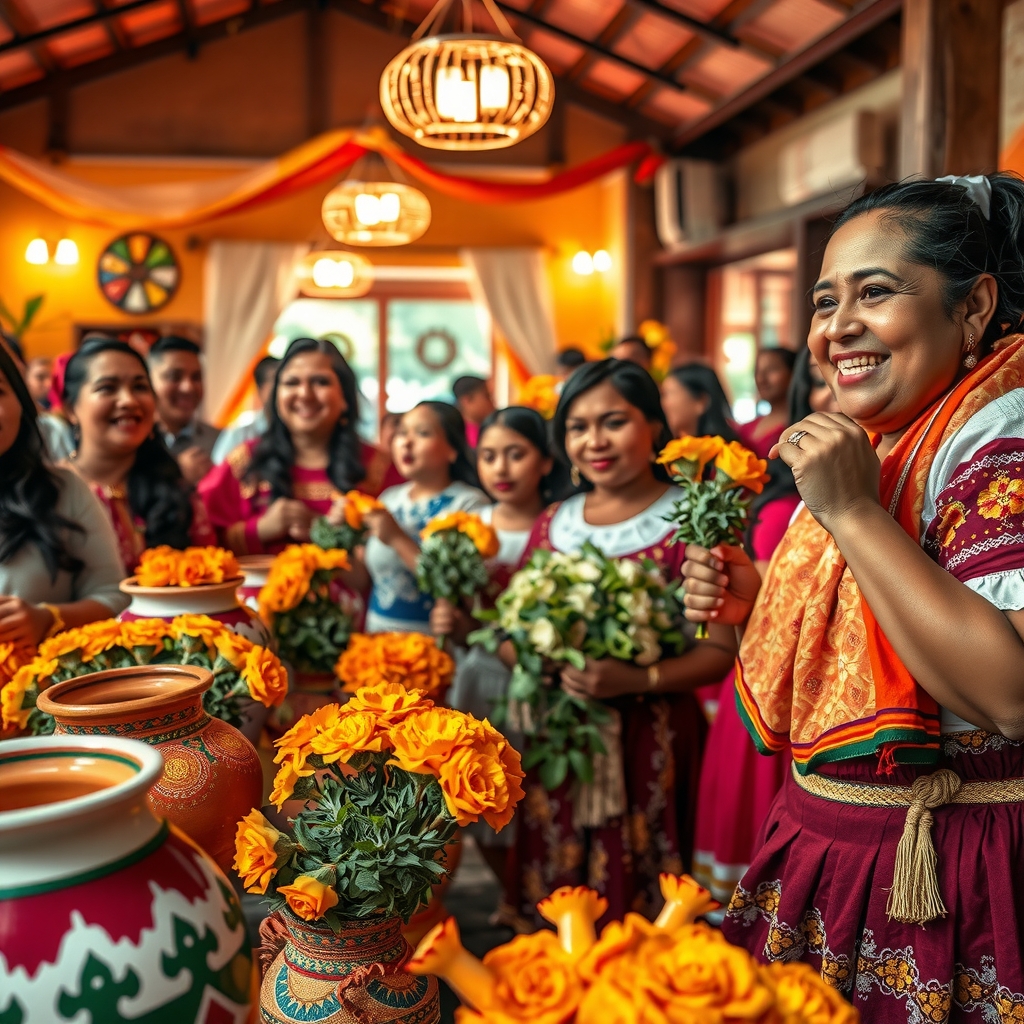
Festivals are not nostalgia — they are acts of cultural sovereignty. When a community gathers to celebrate Día de los Muertos, Carnaval, or a Virgen de Guadalupe procession, it is asserting the right to exist fully, publicly, and on its own terms.
1–2
Día de los Muertos
Rooted in Aztec tradition and shaped by centuries of Catholic overlay, this celebration of life-through-death has become a powerful emblem of Mexican and Mexican-American identity — now observed across the US diaspora.
MAR
Carnaval
From Rio to Barranquilla to Notting Hill, Carnaval is the explosion before Lent — and in US cities like San Francisco and Miami, it anchors community identity across Afro-Latino and Caribbean populations.
12
Virgen de Guadalupe
The annual procession honoring Mexico's patron saint is one of the largest public religious gatherings in many US cities, weaving spirituality, cultural pride, and community solidarity into a single shared act.
IOUS
Quinceañera
More than a birthday — a rite of passage that involves family, faith, community, and months of preparation. In the US, it has evolved to embrace new identities while maintaining its ceremonial heart.
Raíces en Nuevo Suelo
Preserving Culture in the US
Cultural preservation in the diaspora is never passive. It requires deliberate choices — about language, about who you invite to the table, about where you invest your time and money. These are the mechanisms communities use to keep roots alive.
01
Bilingual Households
Language is the most intimate vessel of culture. Families that maintain Spanish, Nahuatl, Quechua, or Haitian Creole at home pass down entire epistemologies alongside words.
02
Cultural Economies
Buying from Latina-owned restaurants, artisans, and cultural organizations is an act of preservation. Economic vitality funds the spaces where culture is practiced. See our entrepreneur profiles.
03
Diaspora Reinvestment
Cultural exchange flows both ways. Diaspora investment in home communities strengthens the very traditions that emigrants carry with them. Learn how via La Diáspora.
04
Intergenerational Gathering
Abuelitas teaching grandchildren to make tamales, elders leading quinceañera choreography — the transfer of embodied knowledge requires physical presence and protected time.
05
Civic Visibility
Public murals, festivals, school curricula, and local government representation all signal to young Latinas that their culture belongs in full view — not only in private.
06
Digital Archiving
Community-built recipe archives, oral history podcasts, and social media networks are creating new forms of cultural documentation that belong to the community itself.
Voz de la Comunidad
Community Spotlight
Across the US, individuals and organizations are doing the daily work of cultural continuity — not as a project, but as a way of life. We celebrate one story at a time.
"Every time I teach a child to embroider otomí birds, I am not just passing on a skill. I am handing them a conversation with ancestors they never met."
Are you doing this work in your community? We want to hear your story. Reach out through our community resources page — and if you're building a business rooted in cultural heritage, explore our Latina entrepreneur profiles for inspiration and connection.